In the most basic sense, exposure is all about light
Exposure can make or break your photo
Correct exposure brings out the detail in areas you want to
picture, providing the range of tones and colours you need to create the
desired image
Poor exposure can cloak important details in the shadow, or
wash them out in glare-filled featureless expanses of white
Getting the perfect exposure requires some intelligence –
either that built into the camera or the smarts in your head – because digital
sensors can’t capture all the tones that we are able to see
To understand exposure, we need to understand the six aspects
of light that combine to produce an image
Our eyes and our
camera – film or digital – are most sensitive to the electromagnetic spectrum
we call visible light that light has several important aspects that are
relevant to photography such as colour and harshness (which is determined primarily
by the apparent size of the light source as it illuminates the subject)
But in terms of exposure the important attributes of a light
source is intensity. We may have direct control over intensity which might be
the case with an interior light that can be brightened or dimmed. Or we might have
only indirect control over intensity, as with sunlight, which can be made to
appear dimmer by introducing translucent light absorbing or reflective
materials in its path
We tend to think of most light sources as continuous. But as
you’ll learn, duration of light can change quickly enough to modify the
exposure as when the main elimination in the photograph becomes an intermittent
source such as electronic flash
Once light produced, at first, we can see and photograph objects
by light that is reflected from our subjects toward the camera lens;
transmitted (say, from translucent objects that are lit from behind); or
emitted (by a candle or television screen)
Not all the
illumination that reaches the front of the lens makes it all the way through.
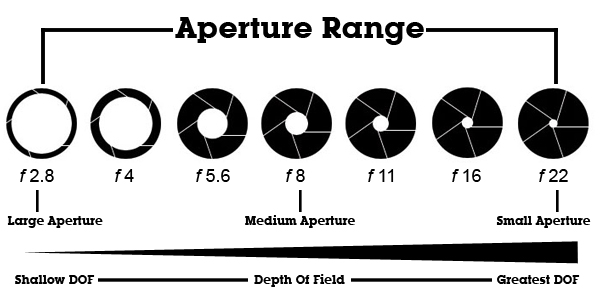
Filters can remove some of the light before it enters the lens. Inside the lens
barrel is a variable size dire friend that dilates and contracts to very the
size of the amateur and control the amount of light that enters the lens. You or
the camera’s autoexposure system, can control the exposure by varying the size of
the exposure. The relative size of the aperture is called the f-stop.
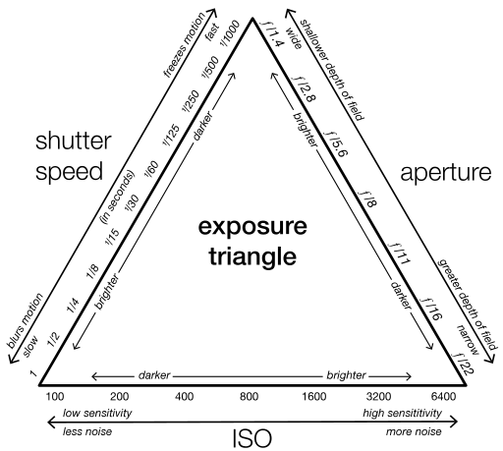
Once light passes through the lens the amount of time the sensor
receives is determined by the camera shutter which can remain open for as long
as 30 seconds (or even longer if you use the bulb setting) or as briefly as 1/8,000th
of a second
Not all the light falling onto the sensor is captured. If the
number of photons reaching a photo site doesn’t pass a set threshold, no
information is recorded. Similarly, if too much light illuminates a pixel in
the sensor, then the excess isn’t recorded or, worse, spills over to
contaminate adjacent pixels.
We can modify the minimum and maximum number of pixels that
contribute to the image detail by adjusting the ISO setting. At higher ISOs
that incoming light is amplified to boost the effective sensitivity of the sensor

 Oscar's fiesta